A Guide to Minneapolis top Lawn Care Services for Better Lawn Results
A Guide to Minneapolis top Lawn Care Services for Better Lawn Results
Blog Article
All-Inclusive grass maintenance solutions for a dense, verdant Yard
Comprehensive grass maintenance services play an essential role in achieving a vibrant, healthy yard. Regular practices such as mowing, soil aeration, and nutrient application support robust grass growth while minimizing unwanted plants and insects. Recognizing ground condition is just as vital, as it affects nutrient absorption. Property owners frequently encounter difficulties in caring for their grass. The proper approaches can make a significant difference, resulting in a verdant outdoor space that enhances property value. How do you identify the essential actions to ensure success?
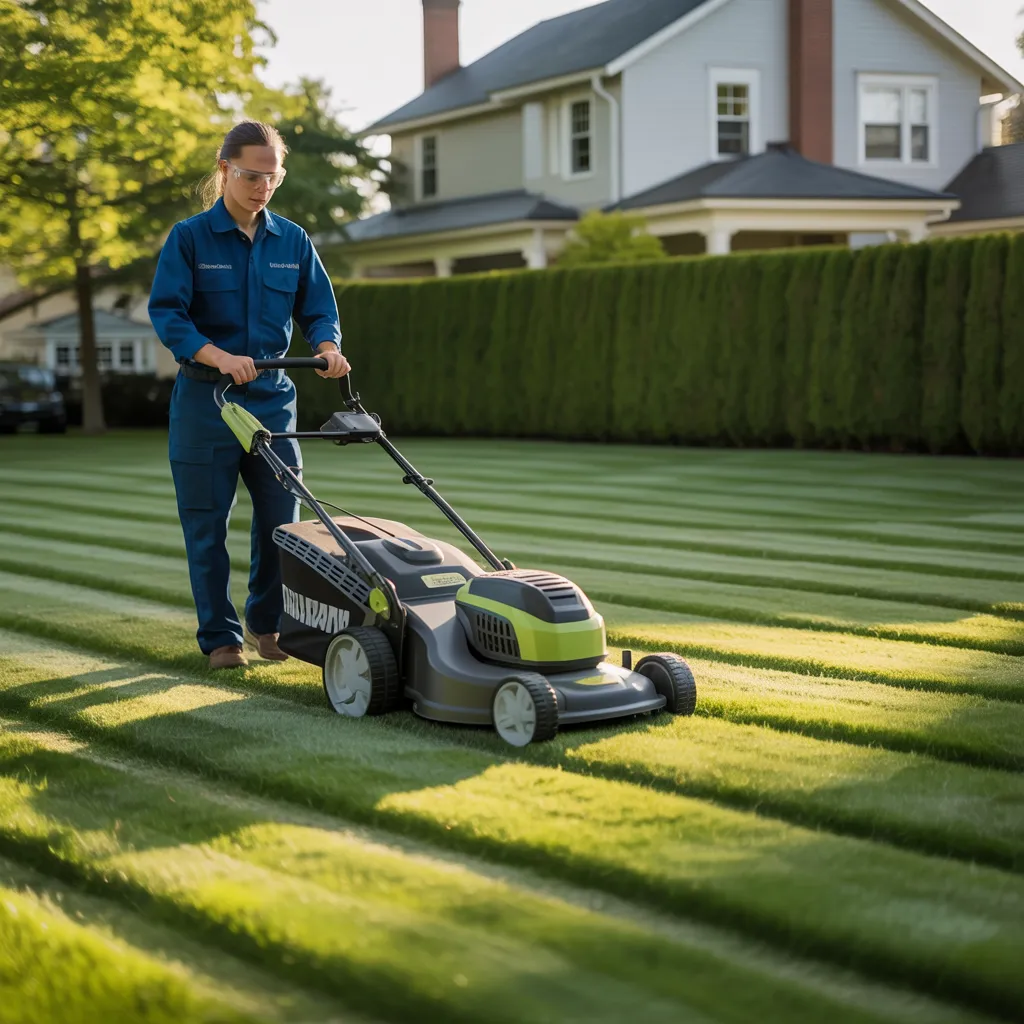
Important Grass Care Offerings for Best Progress
Key grass maintenance services play an important role in promoting ideal growth for any yard. These services encompass a variety of practices that ensure the health and vigor of the grass. Regular mowing is essential, as it encourages even growth while preventing weeds from growing. Aeration is another key service, allowing air, water, and nutrients to reach the soil, fostering deeper root development. Fertilization provides vital nutrients that encourage growth and enhance color, contributing to a lush appearance. Weed control is just as important, as it defends the lawn from harmful weeds that compete with resources. Additionally, proper irrigation methods, including scheduling and monitoring, make certain that the lawn receives adequate moisture without too much watering. Together, these key lawn care services build an environment where grass can thrive, finally resulting in a vibrant and healthy yard. Keeping up these practices regularly can greatly enhance the overall aesthetics and functionality review article of outdoor spaces.
Why Soil Quality Is Vital to Your Lawn's Success
Soil quality serves as the foundation for a thriving grass, affecting all aspects including nutrient availability through moisture control. Rich soil is full of organic matter, that aids retain moisture and provides essential nutrients to support lawn development. Proper pH levels remains essential, since it affects how well the lawn can take in these nutrients. Additionally, helpful microbes in healthy soil encourage nutrient flow and improve soil composition, leading to better aeration and water drainage.
In distinction, weak soil conditions can trigger compacted, nutrient-depleted conditions that limit grass growth. Invasive species and bugs can thrive in compromised soil, contending with grass for resources. Regular soil testing and amendments can help copyright ideal conditions. Ultimately, focusing on soil strength is critical for a full, vibrant lawn, as it generates a robust ecosystem that maintains healthy grass and lessens the need for chemical interventions.
How to Pick the Right Fertilizer Approach
Fertilization serves as a vital component in sustaining a strong lawn, chiefly after building a robust soil foundation. Determining the optimal fertilization strategy requires you initially assess the particular nutrient demands indicated by soil tests. Understanding the main nutrients—nitrogen, phosphorus, and potassium—proves useful in selecting the proper fertilizer type. For instance, nitrogen encourages growth, phosphorus facilitates root development, and potassium enhances overall resilience.
When you apply fertilizer during the growing season, timing becomes important; doing so can maximize absorption. In addition, knowing what grass you have is crucial, as various grasses require different nutrient levels. Slow-release fertilizers offer steady nutrition, while quick-release options bring immediate benefits.
Ultimately, climatic conditions such as rainfall and temperature should dictate application rates and frequency. By factoring in these considerations, homeowners can establish a tailored feeding approach that stimulates a lush, green lawn while promoting enduring strength and sustainability.
Yard Care: Effective Pest Management Techniques
Maintaining a lush lawn demands effective pest control. Integrated Pest Management (IPM) approaches present a integrated approach, blending various methods to address pests while lessening ecological impact. Additionally, organic solutions present sustainable alternatives that can work just as well in protecting lawns safe from harmful insects.
Integrated Insect Control Strategies
Integrated Pest Management (IPM) strategies furnish a all-encompassing framework to preserving robust lawns while minimizing ecological impact. This framework emphasizes the essential importance of monitoring pest concentrations and understanding their biological cycles. By identifying pests accurately, lawn care professionals can implement targeted interventions rather than blanket treatments. Cultural practices, including proper watering and grass cutting procedures, serve as an essential function in preventing pest issues. What's more, cultivating valuable organisms, such as hunting insects, can help controlling pest populations naturally. Regular assessment and adaptation of strategies guarantee the lawn endures fortified against infestations. Fundamentally, IPM establishes a equilibrated ecosystem, curtailing dependence on synthetic pesticides and furthering conscientious lawn care practices that contribute to a luxuriant verdant terrain.
Natural Pest Control Strategies
Based on the principles of Integrated Pest Management, organic pest control methods provide a sustainable approach to addressing lawn pests without synthetic chemicals. These techniques focus on the use of natural materials and biological agents to deter harmful insects. For instance, beneficial insects like ladybugs and lacewings can be deployed to control aphid populations. Additionally, natural repellents such as neem oil and diatomaceous earth are effective alternatives to traditional pesticides. Regularly checking pest populations and promoting healthy soil through composting further enhance lawn resilience. By focusing on ecological balance, organic pest control not only protects the lawn but also supports local biodiversity, creating a vibrant and thriving environment. This holistic approach aligns with growing consumer preferences for environmentally friendly lawn care solutions.
How Aerating and Reseeding Boost Your Grass Maintenance
Aeration and overseeding play important purposes in renewing a lawn, increasing its wellness and appearance. Aeration demands making holes the soil with openings to minimize compaction, facilitating air, water, and nutrients to reach deeper roots. This undertaking bolsters stronger root systems and upgrades overall soil quality. By promoting better uptake, aeration helps the grass grow vigorously, especially in high-traffic areas.
Overseeding complements aeration by adding new grass seed to the existing lawn. This technique fills in bare patches and promotes thicker, healthier growth. It also helps to improve the lawn's resistance to pests and diseases. The pairing of aeration and overseeding creates ideal conditions for seed germination, resulting in a lush, green yard.
Together, these techniques not only improve the visual beauty of a lawn but also contribute to its long-term sustainability, rendering them essential components of successful lawn care services.
Seasonal Tips for a Vibrant Lawn Year-Round
To maintain a vibrant lawn throughout the year, defined seasonal approaches are important. In spring, effective fertilization can foster vigorous growth, while fall aerating methods help ready the grass for winter. Understanding these approaches confirms a verdant lawn regardless of the season.
Spring Treatment Systems
Spring fertilization that is well-timed can considerably boost the vitality and appearance of a lawn all year long. As temperatures go up and grass starts to sprout, applying a balanced fertilizer rich in nitrogen, phosphorus, and potassium can supply key nutrients. Timing is critical; fertilization should be carried out after the last frost when grass is growing actively. This promotes strong root development and deep green blades. In addition, selecting slow-release formulations can guarantee nutrients are available over an long period, supporting continued growth. It is vital to follow the manufacturer’s recommendations for amounts and frequency to prevent over-fertilizing, which can harm the lawn and surrounding environment. Proper watering after fertilization further assists nutrient absorption, setting the foundation for a lush lawn.
Autumn Air Injection Strategies
Rehabilitating a lawn during fall typically involves implementing effective soil perforation techniques. Aeration is important for enhancing earth quality and supporting strong root development. This undertaking involves creating tiny punctures in the soil with small openings to minimize compaction, facilitating oxygen, water, and nutrients to go deeper. The ideal time for fall aeration is when the grass is thriving, typically between September and October. Homeowners can decide on plug aeration, which extracts plugs of soil, and spike formation, which simply creates holes. After finishing aeration, spreading quality fertilizer can further assist lawn recovery and growth. Periodic fall aeration not only enhances turf durability but also readies it for the winter months, assuring a thriving and green yard come spring.
Perks of Working with Professional Lawn Care Experts
Hiring professional lawn care providers reshapes outdoor spaces into lush, vibrant landscapes. These specialists deliver advanced expertise and professional insight, guaranteeing that lawns obtain personalized solutions tailored to individual lawn conditions. Professional services typically offer soil enrichment, pest elimination, and vegetation control, all of which boost a stronger and more vibrant yard.
In addition, these services often apply advanced equipment, reaching results that may be demanding for homeowners relying on standard tools. Time savings are another important benefit; by contracting out lawn care tasks, homeowners can center on other objectives while preserving a beautiful yard.
Additionally, professionals stay updated on the newest lawn care developments and environmentally friendly practices, advancing sustainability. Regular maintenance delivered by professionals can enhance the overall appearance and worth of a property. In summary, hiring expert lawn care services not only elevates the look of outdoor spaces but also guarantees effective, efficient, and sustainable lawn care.
Regularly Asked Questions
What Often Should I Mow My Yard for Best Results?
Specialists suggest trimming the lawn once weekly during the growth phase. This timing supports strong growth while avoiding grass from rising too high, maintaining a neat finish and reducing the probability of pests and disease.
What Is the Ideal Period of Year for Lawn Care?
Optimal grass maintenance typically happens during spring and early fall, which are the ideal times of year. Grass grows vigorously in these seasons, which makes it perfect for fertilization, aeration, and overseeding, creating a vibrant, green turf.
Should I Tackle Lawn Care Myself or Employ Professionals?
Property owners can elect to perform lawn care independently or hire specialists, taking into account their knowledge, time constraints, and desired results. DIY provides financial benefits, while professionals offer professional knowledge and efficient delivery for superior performance.
What Effect Do Climate Patterns Exert on Grass Care Routines?
Environmental conditions greatly shape lawn care routines. Rain can boost growth, while drought calls for more frequent watering. Temperature shifts affect mowing schedules, and seasonal changes govern fertilization timing, requiring adaptability for ideal lawn health.
What Are Typical Errors to Avoid in Grass Maintenance?
Frequent problems in yard maintenance include excessive water application, improper mowing heights, failing to maintain soil health, using the wrong fertilizers, and ignoring pest control. Awareness and proper techniques can greatly enhance the vigor and presentation of the lawn.
Report this page